
Unveiling the Setting of The Scarlet Letter: A Journey Through Time


The Historical Context of 17th-Century Massachusetts
The Scarlet Letter, written by Nathaniel Hawthorne, is a timeless classic that has captivated readers for generations. One of the key elements that contribute to the novel's enduring appeal is its rich and vivid setting. The story takes place in the 17th century, in the Puritan community of Boston, Massachusetts. This setting is not just a backdrop for the plot, but an integral part of the narrative, shaping the characters, their motivations, and the themes of the novel.
The setting of The Scarlet Letter is meticulously crafted to reflect the historical context of the time. The novel is set in the 1640s, a period of great social, political, and religious upheaval in Massachusetts. The Puritan community, with its strict laws and rigid social hierarchy, provides a unique and fascinating backdrop for the story. The setting is characterized by a sense of claustrophobia and repression, which is mirrored in the characters' experiences and emotions.
The Symbolism of the Setting: Forest, Town, and Scaffold
The historical context of 17th-century Massachusetts is crucial to understanding the setting of The Scarlet Letter. The Puritan community was founded on the principles of hard work, self-reliance, and strict adherence to religious doctrine. The setting is marked by a sense of austerity and simplicity, with the community's values and beliefs reflected in the architecture, clothing, and daily life of the characters. The historical context also provides a rich source of symbolism, with the forest, town, and scaffold serving as powerful symbols of the human experience.
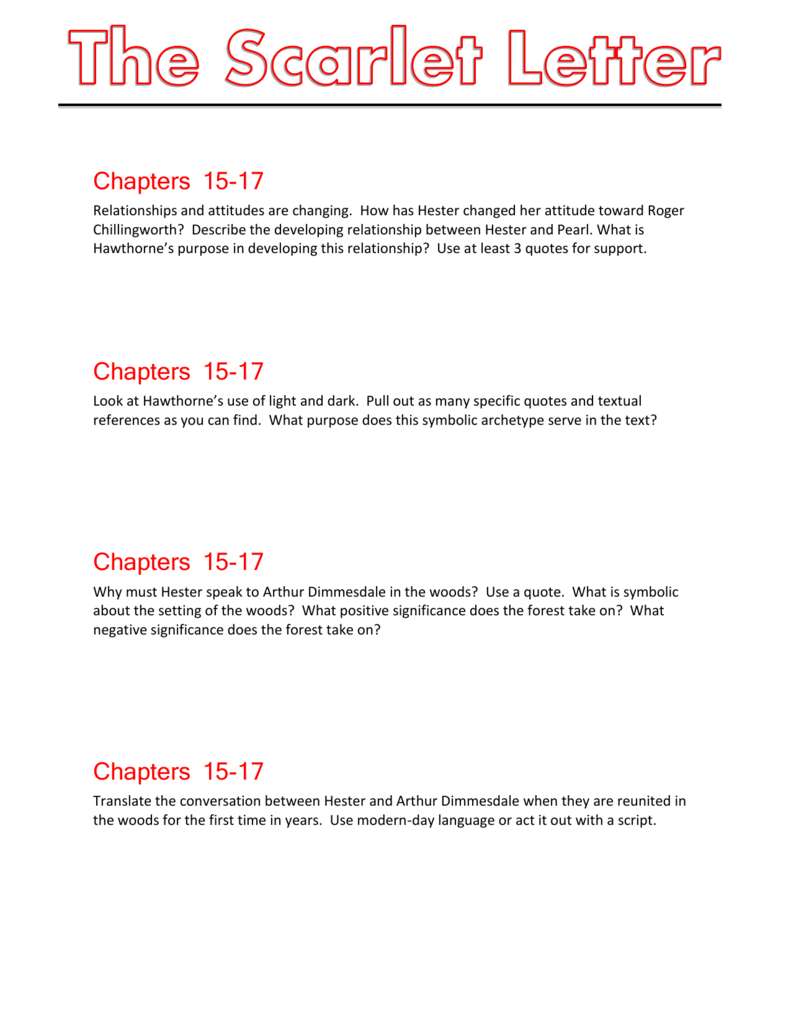
The setting of The Scarlet Letter is also notable for its use of symbolism. The forest, town, and scaffold are all used to represent different aspects of the human experience. The forest, with its darkness and mystery, represents the unknown, the subconscious, and the realm of the individual. The town, with its rigid social hierarchy and strict laws, represents the public sphere, the community, and the realm of the collective. The scaffold, where the novel's protagonist, Hester Prynne, is publicly shamed and punished, represents the intersection of the public and private spheres, and the tension between individual desire and collective expectation. Through its use of symbolism, the setting of The Scarlet Letter adds depth, complexity, and meaning to the narrative, inviting readers to reflect on the human condition and the enduring themes of the novel.