Decoding Food Nutrition Labels: A Beginner's Guide
Understanding the Basics of Food Nutrition Labels
When it comes to making healthy food choices, understanding food nutrition labels is crucial. With so many options available in the market, it can be overwhelming to decide what to eat. However, by learning how to read and interpret food nutrition labels, you can make informed decisions about your diet. In this article, we will provide you with a printable page on understanding food nutrition labels, making it easier for you to navigate the world of nutrition.
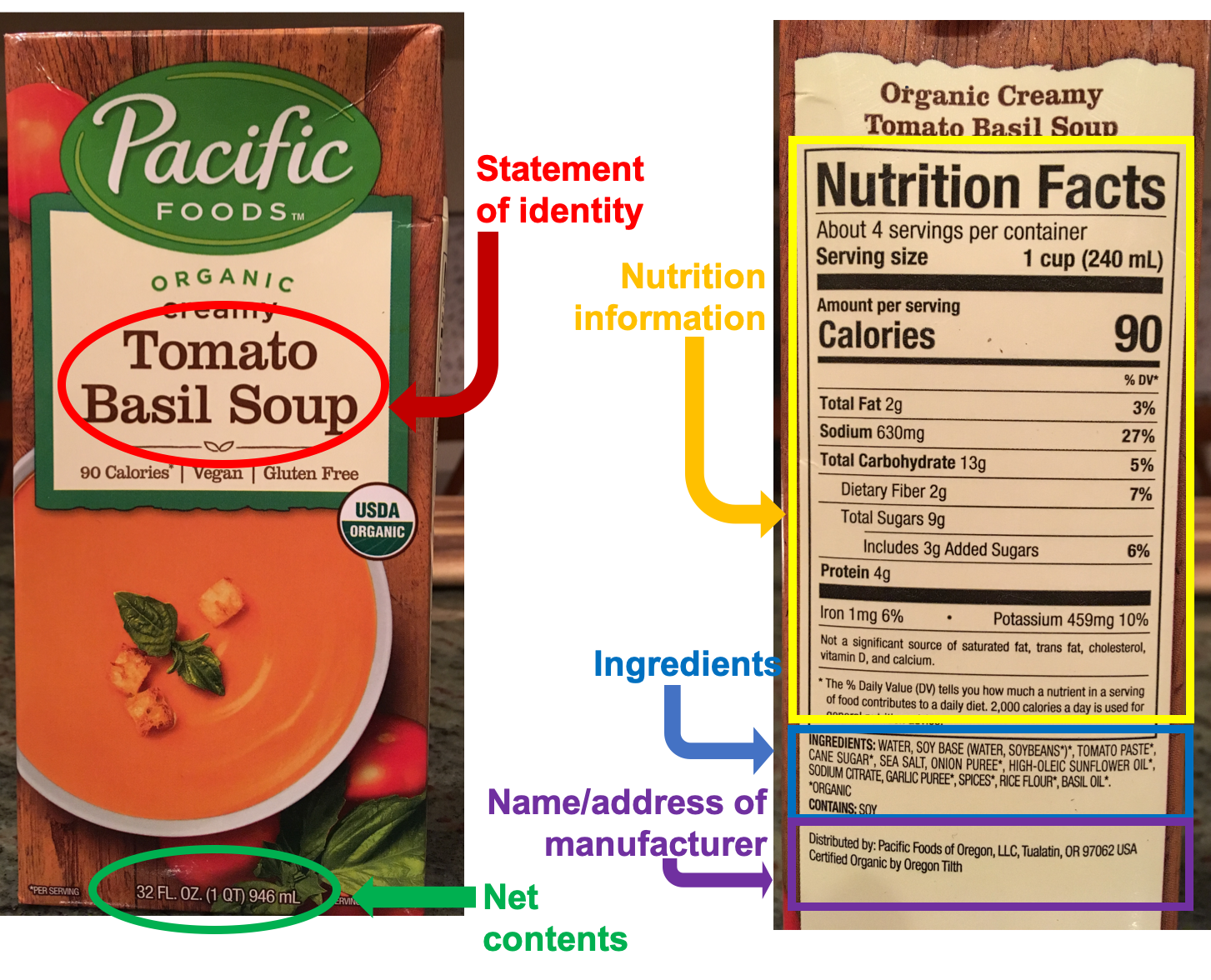
Food nutrition labels are designed to provide consumers with essential information about the nutritional content of a product. The label typically includes details such as serving size, calories, macronutrients, and micronutrients. By understanding these components, you can assess the nutritional value of a food item and make choices that align with your dietary needs and goals.
Breaking Down the Key Components of a Nutrition Label
To start with, it's essential to familiarize yourself with the basic components of a food nutrition label. The serving size is usually listed at the top of the label, followed by the number of servings per container. The calorie count is also displayed prominently, along with the amounts of macronutrients such as carbohydrates, protein, and fat. Additionally, the label may include information about micronutrients like vitamins and minerals.
Now that you have a basic understanding of food nutrition labels, let's dive deeper into the key components. The % Daily Value (DV) is a critical element, as it indicates the percentage of the recommended daily intake for each nutrient. You can use this information to determine whether a food item is high or low in a particular nutrient. By printing out our guide and referring to it when shopping for groceries, you can become a more informed and empowered consumer, making healthier choices that support your overall well-being.