Understanding Printable and Non-Printable ASCII Characters


Introduction to ASCII Characters
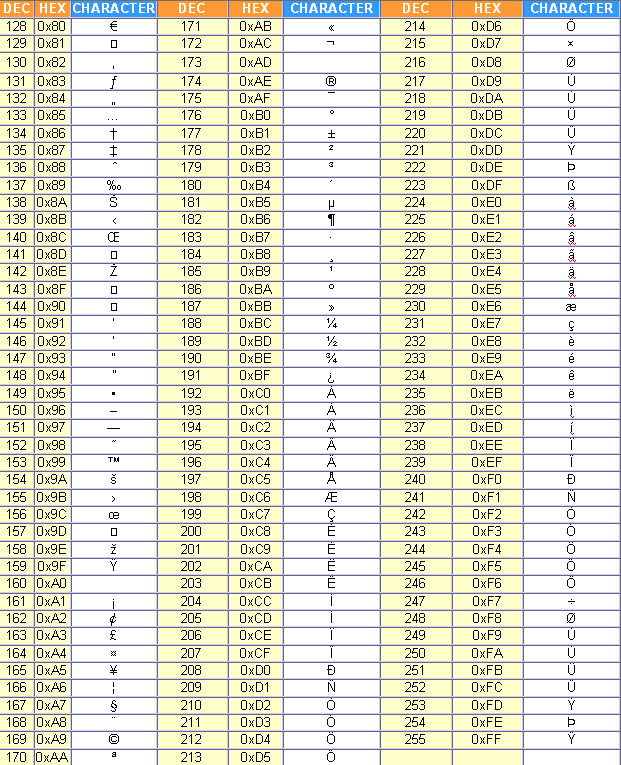
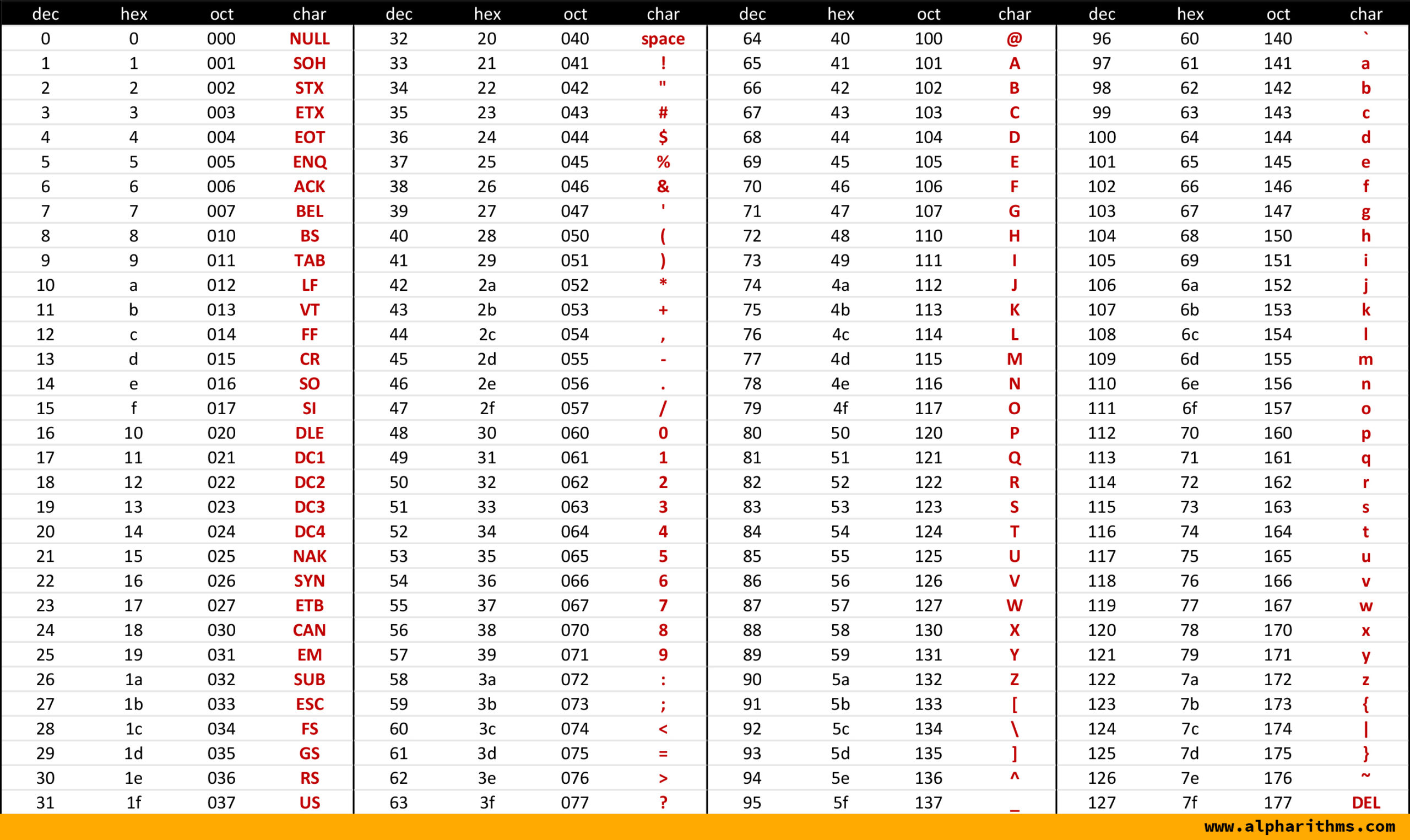
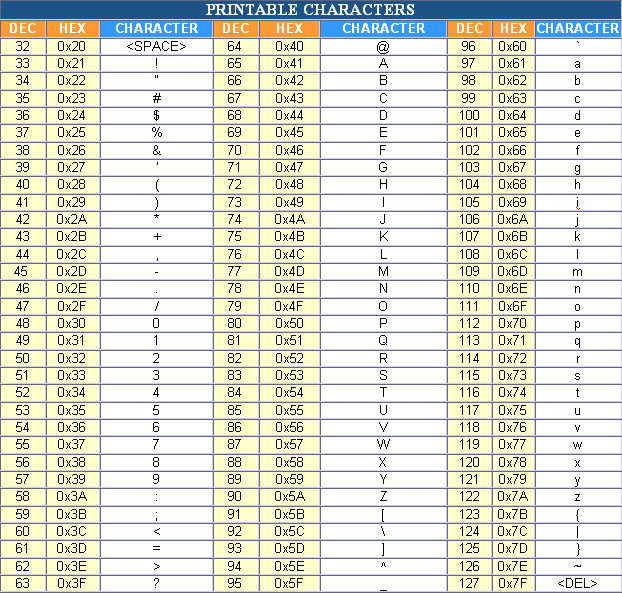
ASCII (American Standard Code for Information Interchange) characters are the backbone of computer programming and text representation. They are a set of characters used to represent text in computers and other devices. ASCII characters can be broadly categorized into two types: printable and non-printable. In this article, we will delve into the world of printable and non-printable ASCII characters, exploring their differences, uses, and significance.
Printable ASCII characters are those that can be displayed on a screen or printed on paper. They include letters (both uppercase and lowercase), digits, punctuation marks, and special characters. These characters are used to form words, sentences, and texts that we read and write every day. On the other hand, non-printable ASCII characters are not visible on the screen or paper. They are used to control the flow of text, formatting, and other functions.
Uses of Non-Printable ASCII Characters
Non-printable ASCII characters play a crucial role in computing and programming. They are used to control the cursor, tab, line feed, and carriage return. For example, the newline character (\n) is used to start a new line in a text, while the tab character (\t) is used to insert a tab space. These characters are essential for formatting text and creating structured documents. Moreover, non-printable ASCII characters are used in programming languages to control the flow of programs, make decisions, and perform actions.
In conclusion, printable and non-printable ASCII characters are both vital components of the ASCII character set. While printable characters form the text we read and write, non-printable characters control the flow, formatting, and functions of text. Understanding the difference between these two types of characters is essential for programmers, developers, and anyone working with text and computers. By grasping the concepts of printable and non-printable ASCII characters, individuals can create more efficient, effective, and structured texts, programs, and documents.