
Understanding the OSI Model: A Comprehensive Guide with Printable PDF

Introduction to the OSI Model
The OSI model is a fundamental concept in computer networking that helps individuals understand how data is transmitted over the internet. It is a 7-layered framework that standardizes communication between devices on a network. Each layer has a specific function, and they work together to ensure seamless data transfer. The OSI model is essential for network architects, engineers, and administrators to design, implement, and troubleshoot networks.
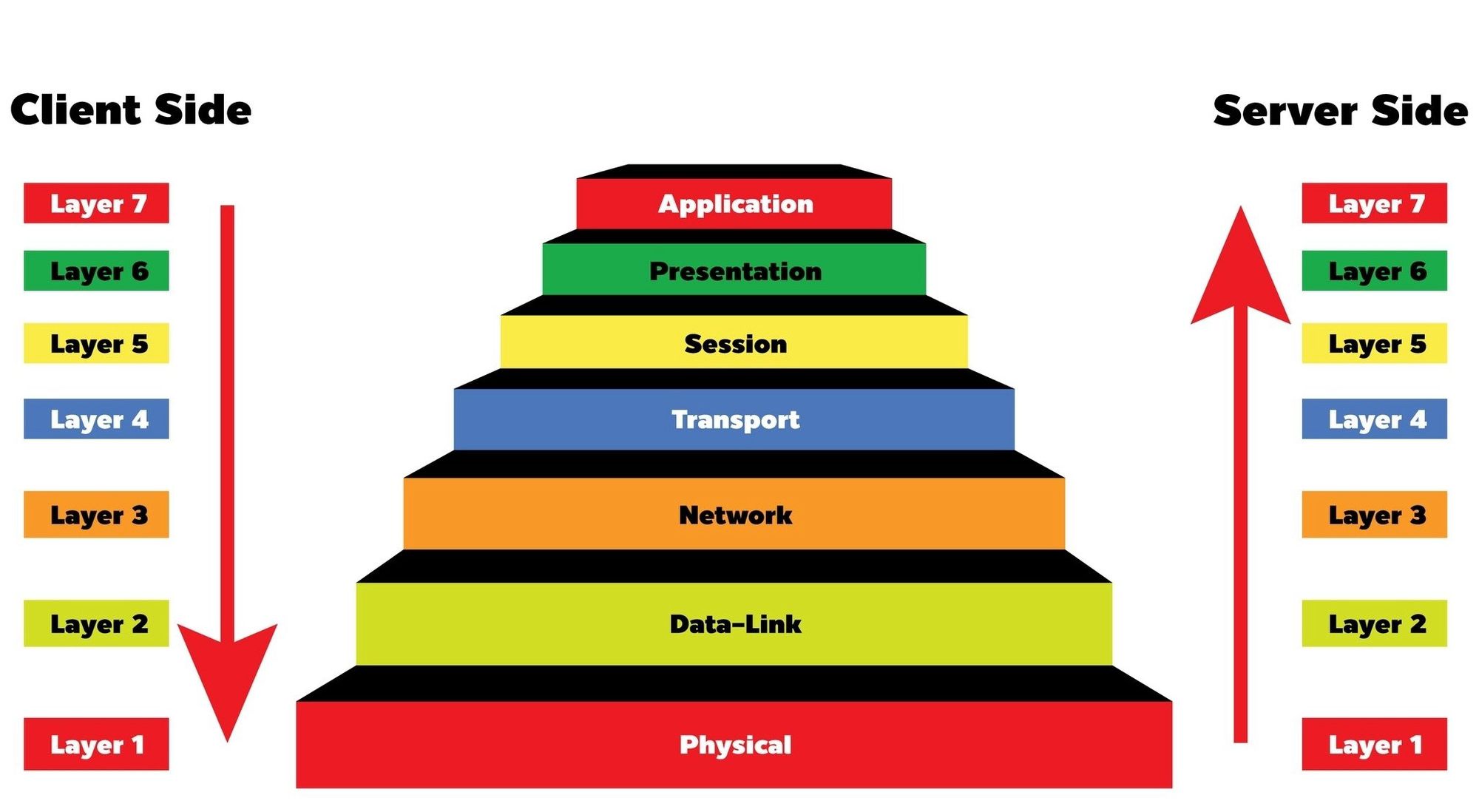
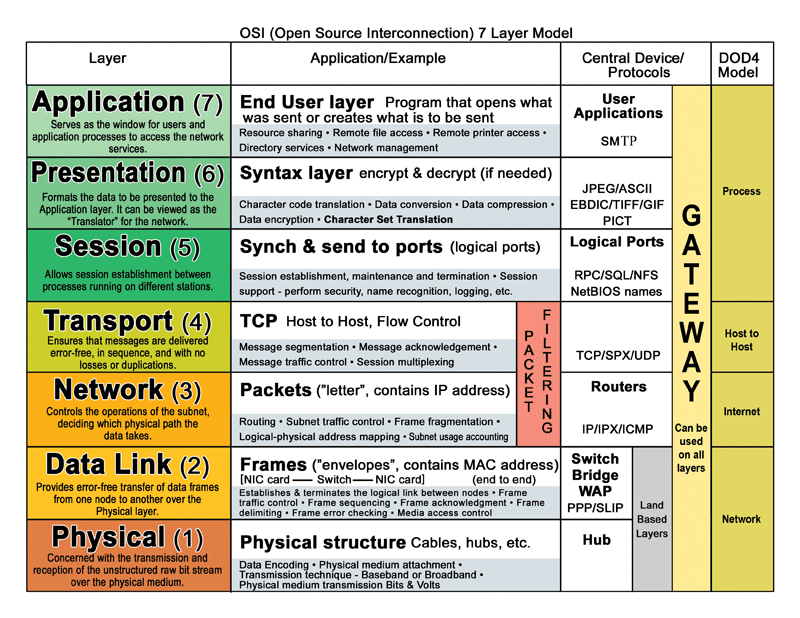
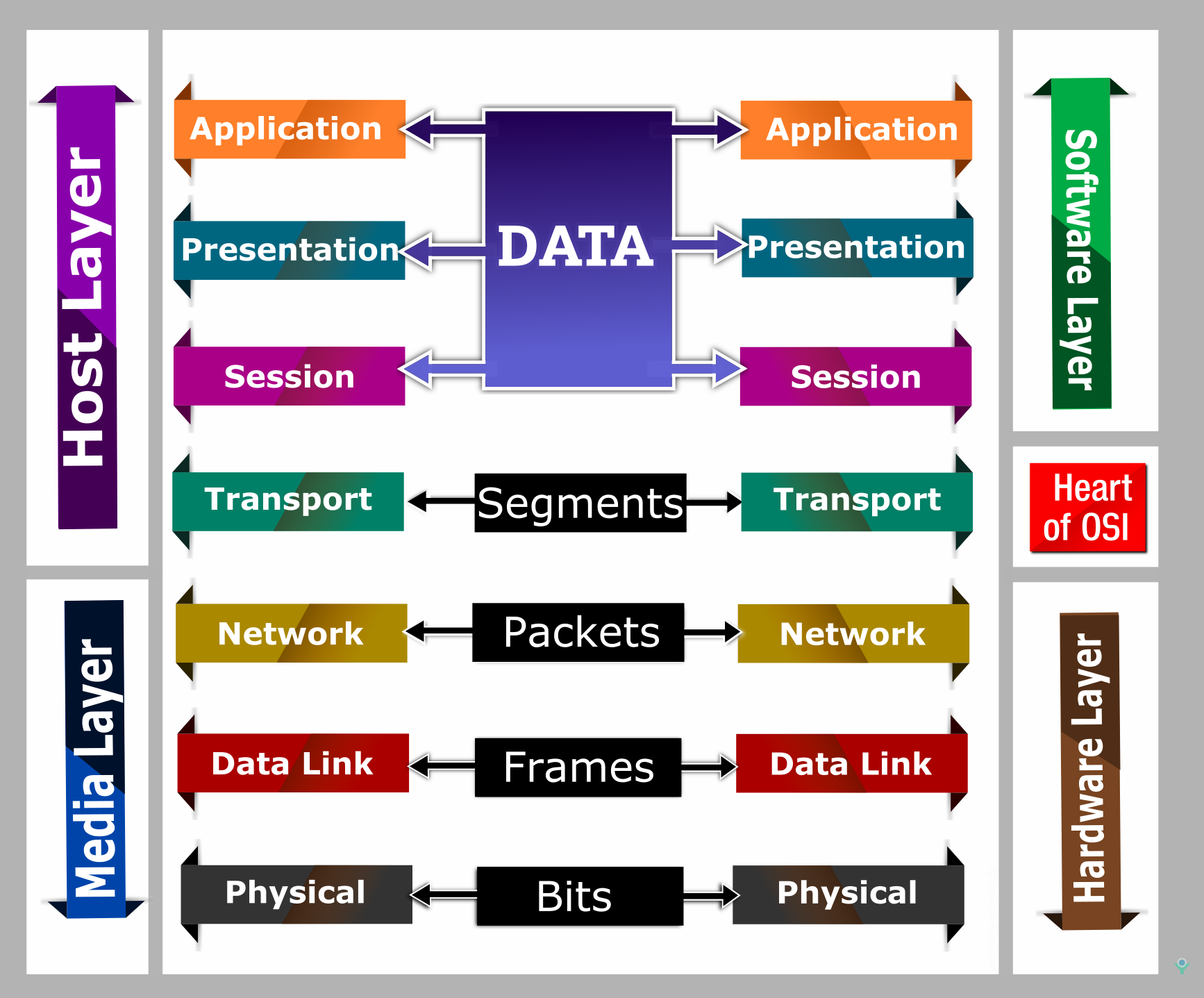
The 7 layers of the OSI model are: Physical, Data Link, Network, Transport, Session, Presentation, and Application. Each layer has a unique role, and they are stacked on top of each other to form a hierarchical structure. The Physical layer deals with the physical means of data transmission, while the Application layer provides services to end-user applications. Understanding the OSI model is crucial for anyone working in the field of computer networking.
Benefits of Using the OSI Model
The OSI model was developed by the International Organization for Standardization (ISO) in 1984. It was designed to provide a common framework for networking devices to communicate with each other. The model has undergone several revisions since its inception, but its core principles remain the same. The OSI model is widely used in the industry, and it is a mandatory topic in computer networking courses.
Using the OSI model has several benefits. It helps network administrators troubleshoot issues more efficiently, as they can identify the problem at a specific layer. The model also enables them to design and implement networks that are scalable, reliable, and secure. Additionally, the OSI model provides a common language for networking professionals to communicate with each other. To learn more about the OSI model and its applications, you can download a printable PDF that summarizes the key concepts and layers.