Multiplying Positive and Negative Numbers: A Guide to Mastering the Basics
.gif)


Understanding the Rules of Multiplication
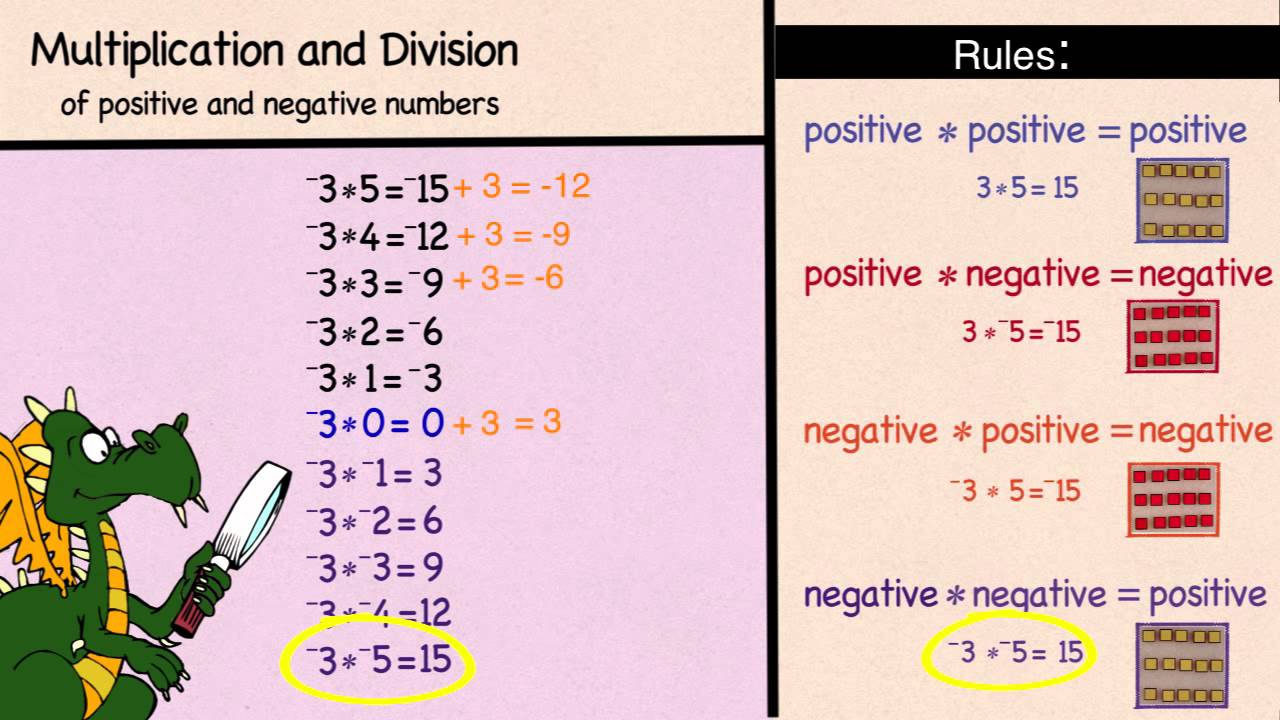
Multiplying positive and negative numbers is a fundamental concept in mathematics that can seem intimidating at first, but with practice and patience, it can become second nature. When multiplying numbers, it's essential to remember that the result depends on the signs of the numbers being multiplied. If both numbers have the same sign, the result will be positive, whereas if they have different signs, the result will be negative.
The rules of multiplication are straightforward: when multiplying two positive numbers, the result is always positive. For example, 2 * 3 = 6. On the other hand, when multiplying two negative numbers, the result is also positive. For instance, -2 * -3 = 6. However, when multiplying a positive and a negative number, the result is always negative. For example, 2 * -3 = -6.
Examples and Practice Problems
To become proficient in multiplying positive and negative numbers, it's crucial to understand the underlying rules and principles. One way to think about it is to consider the number line. When multiplying a positive number by a negative number, the result will be negative because it's essentially moving in the opposite direction on the number line. Conversely, when multiplying two negative numbers, the result will be positive because it's like moving in the same direction on the number line, but in the opposite direction of the negative sign.
Practicing multiplication problems with positive and negative numbers is vital to reinforce understanding and build confidence. For example, try multiplying -4 * 5, or 3 * -2. By working through these types of problems, you'll become more comfortable with the rules of multiplication and develop a stronger foundation in math. Remember, mastering the basics of multiplication is essential for more advanced math concepts, so take the time to practice and review the material until you feel confident and proficient.