Emotion Activities For Toddlers: Helping Little Ones Understand and Manage Feelings
Recognizing and Identifying Emotions
As a parent or caregiver, it's essential to help toddlers develop emotional intelligence from a young age. Emotion activities for toddlers can help them understand and manage their feelings, leading to better social skills, relationships, and overall well-being. At this stage, children are beginning to explore their emotions and learn how to express them. By engaging in simple yet effective activities, you can help your little one become more aware of their emotions and develop healthy ways to cope with them.
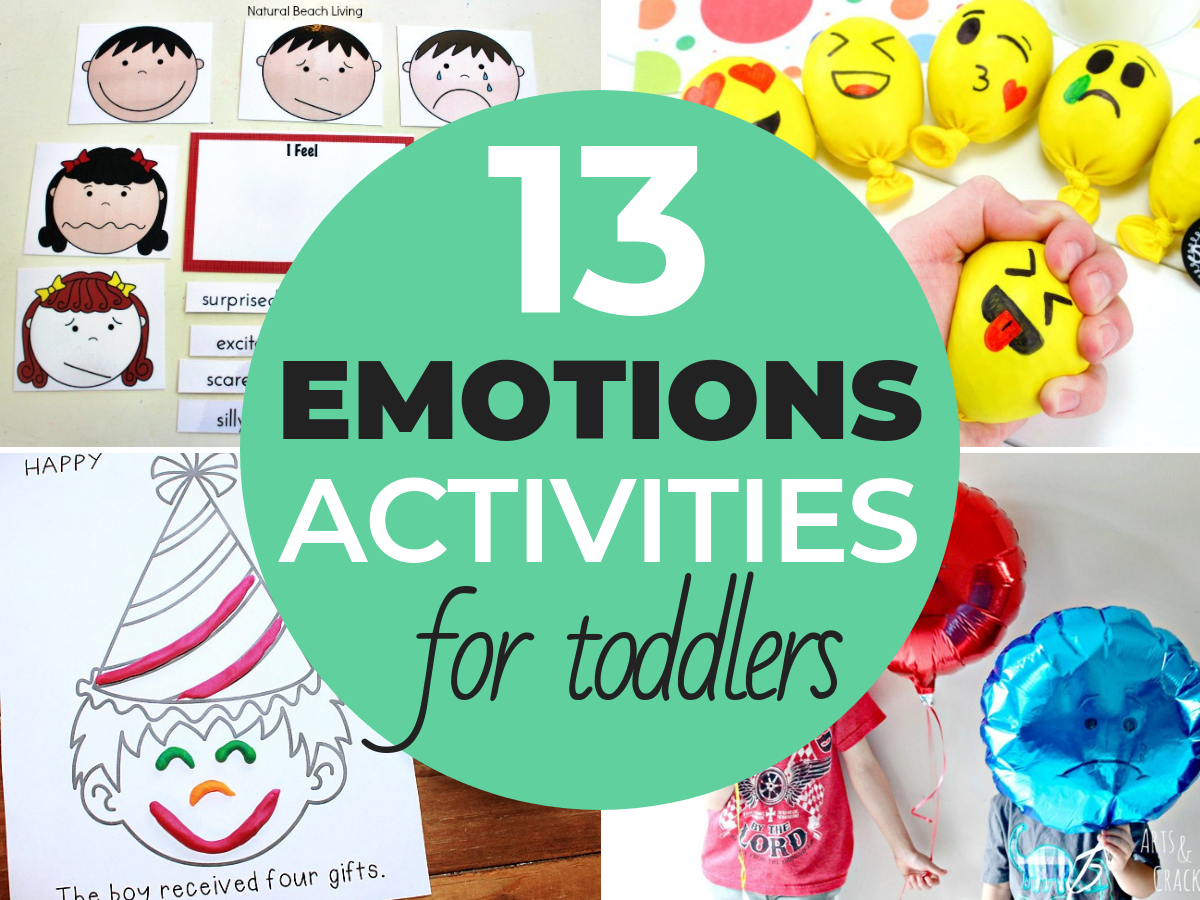
Emotion activities for toddlers can be as simple as reading stories together, singing songs, or playing games that involve feeling faces or emotions. For example, you can create a feelings chart with different facial expressions and ask your child to identify how they're feeling. This can help them develop their emotional vocabulary and recognize different emotions. You can also use everyday situations to teach your child about emotions, such as 'I'm feeling happy when I play with you' or 'I'm feeling sad when I'm tired'.
Developing Emotional Intelligence through Play
Toddlers can benefit from activities that help them recognize and identify different emotions. For instance, you can create a 'feelings box' filled with different objects that evoke emotions, such as a soft toy for comfort or a noisy toy for excitement. You can also play 'emotions charades' where you act out different emotions without speaking, and your child has to guess how you're feeling. These activities can help your child develop their emotional awareness and understand that it's okay to feel different emotions.
Play is an excellent way to help toddlers develop emotional intelligence. You can engage your child in role-playing activities that involve different emotions, such as sharing, taking turns, or cooperating with others. You can also use puppets or stuffed animals to act out scenarios that involve emotions, such as 'the teddy bear is feeling sad because it lost its favorite toy'. By using play to teach emotional intelligence, you can help your child develop essential skills like empathy, self-awareness, and self-regulation. Remember to always be patient, supportive, and validating of your child's emotions, and they'll be well on their way to becoming emotionally intelligent individuals.